The History of Bandy in China: From Roots to Revival

The History of Bandy in China: From Roots to Revival

Bandy reached parts of China more than a century ago. The game stayed small at first, faded for decades, then started to return after 2000. Here is how that path unfolded.

What Bandy Involves

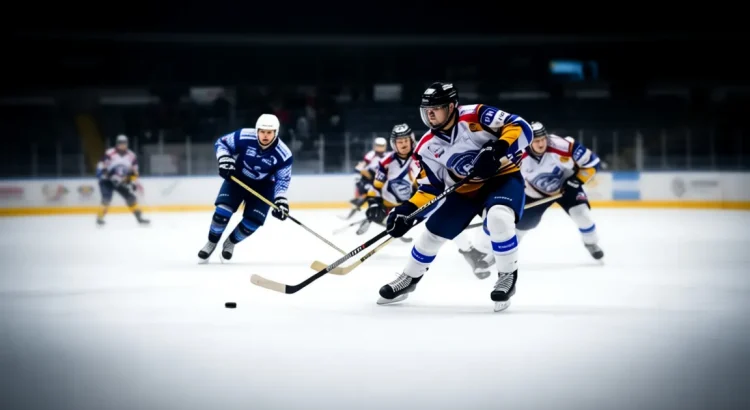
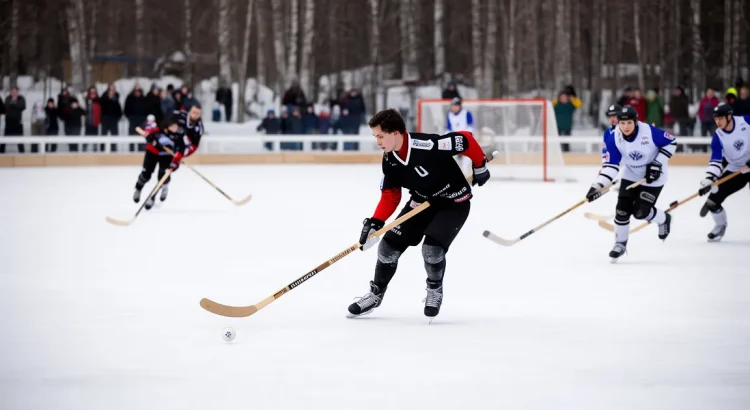
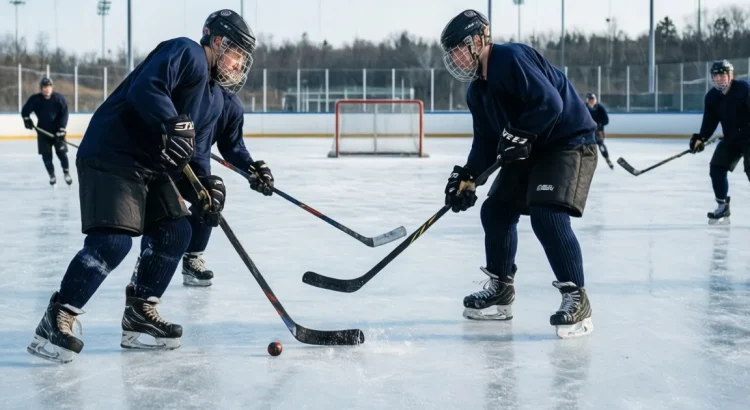
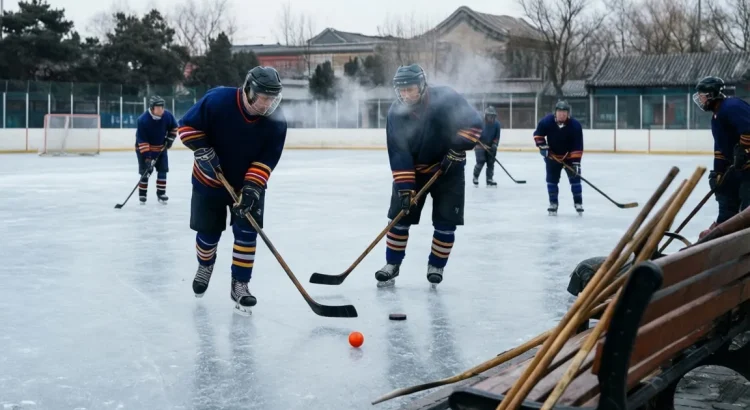
You play it on ice with a small ball and curved sticks. Eleven players per side cover a rink the size of a soccer field. Matches last two 45-minute halves.

  • Skates must stay on the ice except during jumps for the ball.
  • Goals sit four meters wide and two meters high.
  • China now fields teams mainly in Harbin and Beijing.

First Arrivals in the Northeast

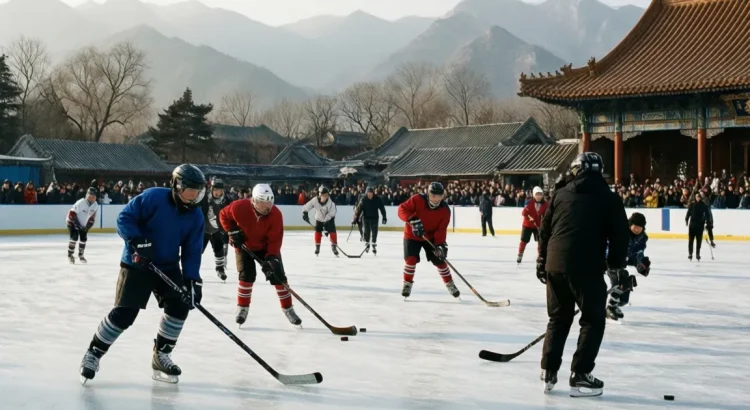
Russian workers and engineers brought bandy to Harbin around 1910. Local students picked it up on frozen Songhua River stretches. Matches stayed informal until a few factory clubs formed in the 1920s.

By the late 1930s a handful of schools in the same city ran regular games. Equipment came from Russia or got copied in small workshops.

The Long Hiatus

After 1949 the sport lost ground. Ice rinks served other priorities, and winter training slots went to speed skating and hockey. No national team formed. A few older players kept sticks in storage but rarely used them.

Between 1955 and 1995 records show almost no organized matches inside China.

Steps in the Revival

Interest picked up again once indoor rinks multiplied. Follow these markers that actually happened:

  1. 2002: Harbin Sports University added bandy as an elective.
  2. 2009: First national tournament drew six teams in Beijing.
  3. 2015: China joined the Federation of International Bandy as an observer.
  4. 2018: National team played its first international friendly against Japan.
  5. 2022: Domestic league restarted with eight clubs across three cities.

How to Follow or Join Matches Now

Check the Chinese Bandy Association site for schedules. Harbin hosts most winter games on outdoor rivers when weather holds. Beijing runs indoor sessions on weekends at the Olympic Sports Center rink. Bring your own skates if you want to try a pickup game; sticks are usually available to borrow.
Winter Sports in China: A Growing Passion for Ice and Snow

Winter Sports in China: A Growing Passion for Ice and Snow

If you want to try winter sports in China, focus on the north first. Harbin and the areas around Beijing give you direct access to ice rinks, ski runs, and snow parks without long travel once you land.

Many locals started after the 2022 Games. Resorts added beginner runs and English signs, so you do not need prior experience or fluent Mandarin to get on the snow.

  • Harbin Ice and Snow World for skating and lantern-lit trails at night
  • Yabuli Ski Resort for groomed slopes and night skiing until 9 p.m.
  • Zhangjiakou for high-speed chairlifts and cross-country loops

Planning a First Trip

Book a package that includes gear rental and one lesson. Most resorts list prices in RMB on their apps, and you can pay with WeChat or Alipay at the ticket window.

Follow these steps on arrival:

  1. Land in Harbin or Beijing, then take the high-speed train (under three hours to most resorts).
  2. Rent boots and skis at the base; sizes run standard and staff adjust bindings on site.
  3. Start on the green run before lunch when lifts have shorter lines.
  4. Finish with hotpot nearby to warm up.

Check snow reports on the resort WeChat account the night before. Conditions change fast after a cold front, and the best powder days often fall mid-week when crowds stay home.

Resort Drive time from Beijing Best for
Yabuli 5 hours Full-day skiing
Chongli 2.5 hours Quick weekend trips
Harbin Flight plus 1 hour Ice activities

Bring layers you can peel off. Indoor base lodges stay warm, but chairlift rides get cold once the sun drops.

Asian Winter Sports Federations: Collaboration and Growth

Asian Winter Sports Federations: Collaboration and Growth

If you handle winter sports programs in Asia, you already know federations swap coaches, share ice time, and co-host camps. The practical side comes down to clear agreements and joint calendars rather than big declarations.

Setting Up Joint Training Camps

Start with one shared need, such as finding enough qualified judges for freestyle events. Federations in Japan, South Korea, and China run a rotating camp each November. Coaches from each country take turns leading sessions, which cuts travel costs for athletes.

  1. List the exact skills your athletes lack right now.
  2. Contact two other federations with the same gap and propose dates that fit school breaks.
  3. Agree on one venue and split venue fees based on athlete numbers.
  4. Assign one federation to handle judging certification for the group.

This pattern worked for the 2023 short-track camp in Harbin, where 48 skaters trained together and later competed at the Asian Winter Games trials.

Tracking Shared Event Results

Growth shows up in participation numbers and new member clubs, not slogans. Keep a simple shared spreadsheet that each federation updates after every regional meet.

Federation 2022 Events Co-hosted New Clubs Added
Japan Ski Federation 4 11
Korea Ski Association 3 8
Chinese Winter Sports Association 5 19

Review the sheet every quarter. Drop any event that draws fewer than 30 athletes from at least two countries. Keep the ones that pull in new clubs, like the cross-border junior snowboard series that started in 2021 and now runs in three cities.

Key Differences Between Bandy and Ice Hockey

Key Differences Between Bandy and Ice Hockey

If you already play ice hockey and step onto a bandy field, the first thing that hits you is the space. The surface feels huge, the ball rolls instead of slides, and you carry eleven players instead of six.

Rink and Roster Basics

Bandy uses a field close to soccer size, roughly 100 by 60 meters with rounded corners. Ice hockey rinks stay much smaller, usually 61 by 26 meters.

  • Bandy teams field eleven players, including a goalkeeper.
  • Ice hockey teams use six players total.
  • Substitutions in bandy happen less often because the larger area tires players faster.

Ball, Puck, and Sticks

Bandy players hit a small orange ball. Ice hockey uses a black puck. The ball bounces and rolls more, so you learn to keep it on the ice with quick taps rather than long slap shots.

Item Bandy Ice Hockey
Object Ball Puck
Stick curve Shallower, longer blade Deeper curve
Shots Lower trajectory, more passing Higher slap shots common

How the Game Flows

Offside rules in bandy mirror soccer: you cannot cross the blue line ahead of the ball. Hockey allows more freedom behind the blue line. Body checking stays rare in bandy, so you focus on positioning and stick battles instead of hits.

Games run two 45-minute halves in bandy. Hockey uses three 20-minute periods. Expect fewer whistles but more continuous movement on the bigger surface.

Situations You Meet on the Ice

Power plays look different. In bandy you often defend with ten players spread across a wide area, so gaps open fast if you lose shape. In hockey the tighter rink lets you pack the slot and block shots more easily.

Corner play in bandy rewards quick give-and-go passes along the boards because the ball travels farther. In hockey you battle for loose pucks in tight spaces with more physical contact.

The Cultural Significance of Winter Sports in Chinese Society

The Cultural Significance of Winter Sports in Chinese Society

Winter sports sit at the center of many northern routines. You see this most clearly when temperatures drop and people head outside instead of staying in.

Local ice rinks as meeting spots

In Harbin and Shenyang, public rinks open early each December. Neighbors meet there after work for an hour of skating rather than coffee. Kids practice on the same ice their parents used twenty years earlier.

These places keep small daily rituals alive. A quick lap becomes the way adults catch up without formal plans.

Links to New Year gatherings

Families often plan short ski trips during the Spring Festival break. In Jilin province, groups book simple slopes for one afternoon between big meals.

  • Parents teach children basic turns on gentle runs
  • Relatives share thermos tea on the sidelines
  • Photos from these outings go into family albums alongside dinner shots

The activity fits the holiday pattern of movement followed by rest.

Schools and neighborhood teams

Many middle schools in the northeast run weekly winter sports clubs. Students choose from skating, curling, or short-track practice after classes.

City Common school activity Typical group size
Changchun Cross-country skiing on campus trails 12-15 students
Beijing Indoor curling intro sessions 8-10 students

These sessions build habits that carry into adult life. Former club members often join company teams later.

Workplace and friend group events

Offices in the north sometimes organize one-day ski outings in January. The focus stays on shared transport and simple lunches rather than advanced technique.

Small friend circles also meet at indoor facilities for evening hockey pick-up games. The same group returns week after week because the schedule stays consistent.

Bandy Rules Explained: A Simple Overview

Bandy Rules Explained: A Simple Overview

Bandy puts two teams of eleven on a big ice rink to move a ball into the other goal. You play it like a mix of soccer and hockey but with your own set of clear rules. Here is what you need to know to follow or join a game right away.

The Rink and Basic Setup

The ice measures about 100 by 60 meters, larger than a hockey rink. Goals sit at each end with a 17-meter semicircle in front that attackers cannot enter before the ball does.

  • Players wear skates, helmets, and carry curved sticks.
  • The ball is bright orange and weighs around 60 grams.
  • Each team fields ten outfield players plus one goalkeeper.

Substitutions happen on the fly. Keep an eye on the bench so your side never goes over the limit.

How Play Starts and Keeps Moving

A referee drops the ball between two players to begin each half and after every goal. From there the ball stays in motion until it crosses the sidelines or a foul stops it.

  1. Pass or dribble the ball forward with the stick.
  2. Keep the ball within the rink lines or face a throw-in from the other team.
  3. Change direction quickly when opponents close in.

Matches last two 45-minute halves. The clock runs continuously except for injuries or penalties.

Scoring and Match Situations

A goal counts only when the whole ball crosses the goal line. One point per goal decides most games, though some tournaments use extra time or penalty shots if scores stay level.

Situation Result
Ball hits post and stays out No goal
Goalkeeper blocks shot inside crease Play continues
Attacker enters crease early Free hit to defense

Common Fouls and How to Handle Them

Tripping, pushing, or raising the stick above shoulder height brings a free hit. The opposing team restarts play from the spot of the offense.

  • Two minutes in the penalty box for rough play or repeated minor fouls.
  • Five-minute ban for dangerous high sticks that contact an opponent.
  • Red card ejects a player for the rest of the match when intent looks clear.

Stay on your skates and keep the stick low. Most new players pick up these habits after one practice session with teammates.

Bandy Basics: A Beginner’s Guide to the Sport on Ice

Bandy Basics: A Beginner’s Guide to the Sport on Ice

Bandy is ice hockey’s larger cousin. Eleven players per side chase a small ball across a soccer-sized rink. You can start playing in a few sessions if you know what to bring and what to expect on the ice.

Get the Gear You Actually Need

Skates matter most. Pick a pair of bandy skates with a short blade and good ankle support. They differ from hockey skates because the ice here is often softer and the turns are wider.

  • Stick: 1.2 to 1.4 meters long with a curved blade on the left side only. Try a medium flex first.
  • Ball: Hard orange plastic, 6 cm across. Keep two in your bag because they disappear fast.
  • Helmet with face cage, mouth guard, and gloves that let you grip the stick tightly.
  • Shin guards and elbow pads borrowed from ice hockey work fine for the first month.

Clothing stays simple. Wear breathable layers under a light tracksuit. You warm up quickly once the game starts.

Run Through Your First Session

Arrive early and walk the rink edge to feel the ice under your blades. Most clubs let beginners join the warm-up line.

  1. Skate two easy laps focusing on long strides, not quick cuts.
  2. Pass the ball against the boards with a partner for ten minutes. Keep the ball on the ice; lifting it is a foul.
  3. Learn the three main calls: “stick!” when an opponent lifts theirs too high, “offside” at the blue line, and “out” when the ball leaves the rink.
  4. Play short shifts of three minutes. Bandy ice is big so you tire faster than you expect.
Position What it looks like in practice
Defender Stay between the ball and your goalie, clear the ball wide rather than up the middle.
Midfielder Link defense and attack, win most 50-50 balls along the boards.
Forward Stay high, look for quick one-touch passes into the corners.

After the session, check your blades for nicks. A quick file keeps you from catching edges the next time out.

Exploring Winter Sports Infrastructure in Northern China

Exploring Winter Sports Infrastructure in Northern China

Northern China has solid rail links and purpose-built venues that make winter sports trips straightforward. Start in Harbin or Zhangjiakou if you want quick access to ice rinks and groomed slopes without long transfers.

Reaching the main hubs

High-speed trains run daily from Beijing to both cities. Book the G or D series for the shortest ride.

  1. Beijing to Harbin: 7 to 8 hours on the G trains, arrives at Harbin West station, then metro line 1 to the ice district.
  2. Beijing to Zhangjiakou: 50 minutes on the G trains to Chongli South, then a 20-minute shuttle to the ski bases.

Local buses and taxis fill the gaps at each station. Carry a transport card for the metro legs.

Key facilities and what they offer

Harbin Ice and Snow World opens each December with carved ice structures and public skating loops. Yabuli Resort nearby keeps 20 km of trails groomed and runs night skiing until 9 pm on the main run.

Location Focus Daily hours
Harbin Ice World Ice sculptures and skating 4 pm to 10 pm
Yabuli Main Slope Alpine skiing and lessons 8 am to 9 pm
Chongli Wanlong Freestyle park and gondola access 8:30 am to 4:30 pm

Bring your own helmet if you ski; rentals at the bases cost about 50 RMB per day and run out on weekends. Lessons at Wanlong start at 9 am sharp and last two hours.