Bandy Rules Explained: A Simple Overview
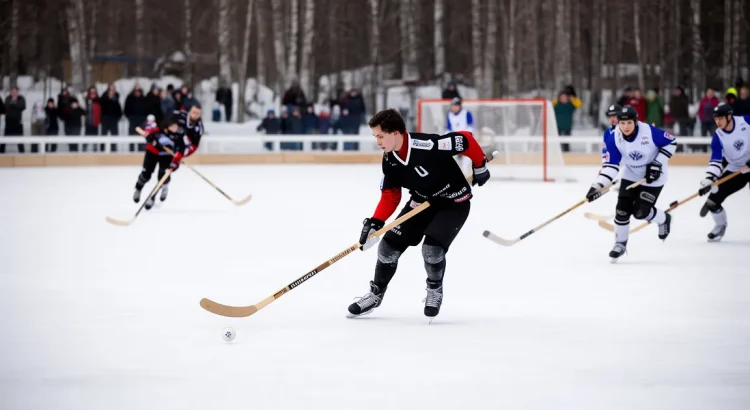
Bandy puts two teams of eleven on a big ice rink to move a ball into the other goal. You play it like a mix of soccer and hockey but with your own set of clear rules. Here is what you need to know to follow or join a game right away.
The Rink and Basic Setup
The ice measures about 100 by 60 meters, larger than a hockey rink. Goals sit at each end with a 17-meter semicircle in front that attackers cannot enter before the ball does.
- Players wear skates, helmets, and carry curved sticks.
- The ball is bright orange and weighs around 60 grams.
- Each team fields ten outfield players plus one goalkeeper.
Substitutions happen on the fly. Keep an eye on the bench so your side never goes over the limit.
How Play Starts and Keeps Moving
A referee drops the ball between two players to begin each half and after every goal. From there the ball stays in motion until it crosses the sidelines or a foul stops it.
- Pass or dribble the ball forward with the stick.
- Keep the ball within the rink lines or face a throw-in from the other team.
- Change direction quickly when opponents close in.
Matches last two 45-minute halves. The clock runs continuously except for injuries or penalties.
Scoring and Match Situations
A goal counts only when the whole ball crosses the goal line. One point per goal decides most games, though some tournaments use extra time or penalty shots if scores stay level.
| Situation | Result |
|---|---|
| Ball hits post and stays out | No goal |
| Goalkeeper blocks shot inside crease | Play continues |
| Attacker enters crease early | Free hit to defense |
Common Fouls and How to Handle Them
Tripping, pushing, or raising the stick above shoulder height brings a free hit. The opposing team restarts play from the spot of the offense.
- Two minutes in the penalty box for rough play or repeated minor fouls.
- Five-minute ban for dangerous high sticks that contact an opponent.
- Red card ejects a player for the rest of the match when intent looks clear.
Stay on your skates and keep the stick low. Most new players pick up these habits after one practice session with teammates.