The History of Bandy in China: From Roots to Revival
Bandy reached parts of China more than a century ago. The game stayed small at first, faded for decades, then started to return after 2000. Here is how that path unfolded.
What Bandy Involves
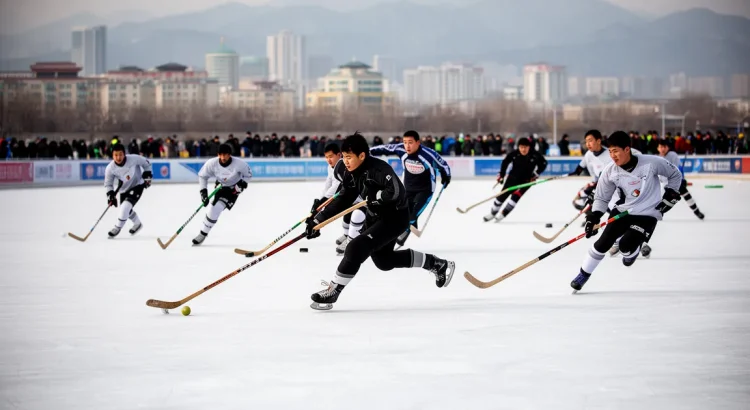
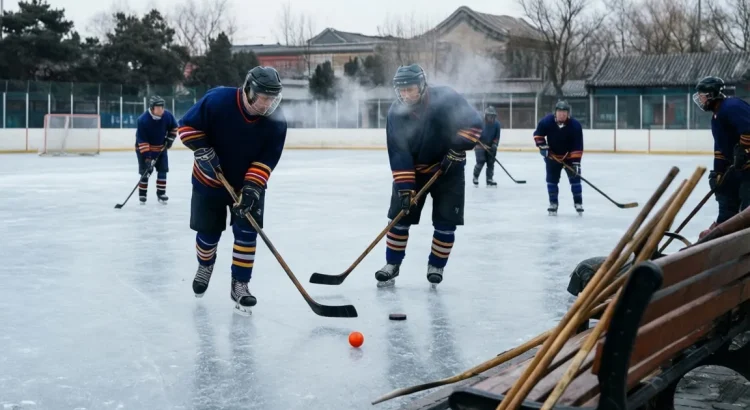
You play it on ice with a small ball and curved sticks. Eleven players per side cover a rink the size of a soccer field. Matches last two 45-minute halves.
- Skates must stay on the ice except during jumps for the ball.
- Goals sit four meters wide and two meters high.
- China now fields teams mainly in Harbin and Beijing.
First Arrivals in the Northeast
Russian workers and engineers brought bandy to Harbin around 1910. Local students picked it up on frozen Songhua River stretches. Matches stayed informal until a few factory clubs formed in the 1920s.
By the late 1930s a handful of schools in the same city ran regular games. Equipment came from Russia or got copied in small workshops.
The Long Hiatus
After 1949 the sport lost ground. Ice rinks served other priorities, and winter training slots went to speed skating and hockey. No national team formed. A few older players kept sticks in storage but rarely used them.
Between 1955 and 1995 records show almost no organized matches inside China.
Steps in the Revival
Interest picked up again once indoor rinks multiplied. Follow these markers that actually happened:
- 2002: Harbin Sports University added bandy as an elective.
- 2009: First national tournament drew six teams in Beijing.
- 2015: China joined the Federation of International Bandy as an observer.
- 2018: National team played its first international friendly against Japan.
- 2022: Domestic league restarted with eight clubs across three cities.
How to Follow or Join Matches Now
Check the Chinese Bandy Association site for schedules. Harbin hosts most winter games on outdoor rivers when weather holds. Beijing runs indoor sessions on weekends at the Olympic Sports Center rink. Bring your own skates if you want to try a pickup game; sticks are usually available to borrow.