Asian Winter Sports Federations: Collaboration and Growth

Asian Winter Sports Federations: Collaboration and Growth

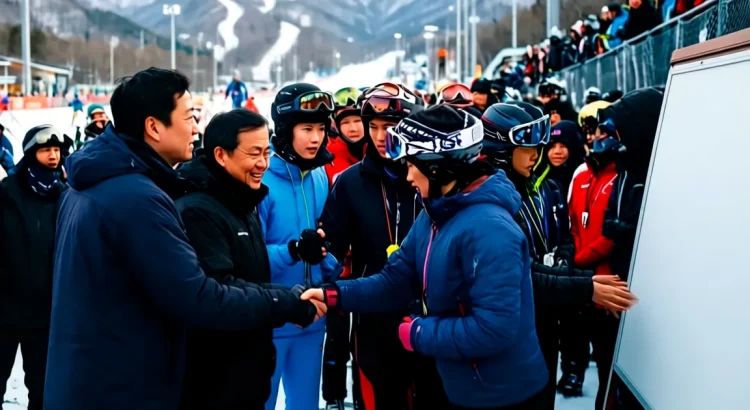
If you handle winter sports programs in Asia, you already know federations swap coaches, share ice time, and co-host camps. The practical side comes down to clear agreements and joint calendars rather than big declarations.

Setting Up Joint Training Camps

Start with one shared need, such as finding enough qualified judges for freestyle events. Federations in Japan, South Korea, and China run a rotating camp each November. Coaches from each country take turns leading sessions, which cuts travel costs for athletes.

  1. List the exact skills your athletes lack right now.
  2. Contact two other federations with the same gap and propose dates that fit school breaks.
  3. Agree on one venue and split venue fees based on athlete numbers.
  4. Assign one federation to handle judging certification for the group.

This pattern worked for the 2023 short-track camp in Harbin, where 48 skaters trained together and later competed at the Asian Winter Games trials.

Tracking Shared Event Results

Growth shows up in participation numbers and new member clubs, not slogans. Keep a simple shared spreadsheet that each federation updates after every regional meet.

Federation 2022 Events Co-hosted New Clubs Added
Japan Ski Federation 4 11
Korea Ski Association 3 8
Chinese Winter Sports Association 5 19

Review the sheet every quarter. Drop any event that draws fewer than 30 athletes from at least two countries. Keep the ones that pull in new clubs, like the cross-border junior snowboard series that started in 2021 and now runs in three cities.
Key Differences Between Bandy and Ice Hockey

Key Differences Between Bandy and Ice Hockey

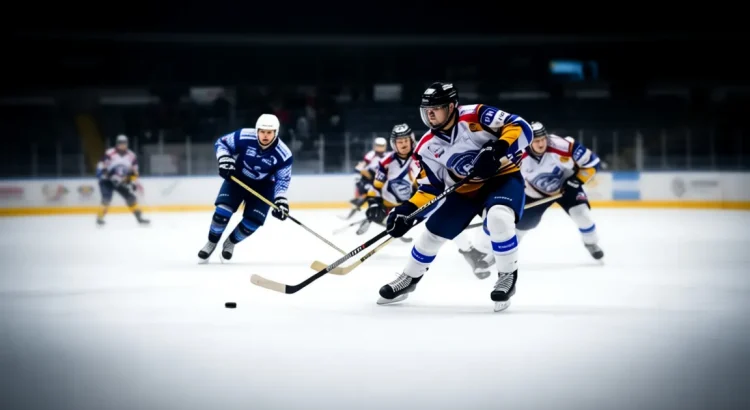
If you already play ice hockey and step onto a bandy field, the first thing that hits you is the space. The surface feels huge, the ball rolls instead of slides, and you carry eleven players instead of six.

Rink and Roster Basics

Bandy uses a field close to soccer size, roughly 100 by 60 meters with rounded corners. Ice hockey rinks stay much smaller, usually 61 by 26 meters.

  • Bandy teams field eleven players, including a goalkeeper.
  • Ice hockey teams use six players total.
  • Substitutions in bandy happen less often because the larger area tires players faster.

Ball, Puck, and Sticks

Bandy players hit a small orange ball. Ice hockey uses a black puck. The ball bounces and rolls more, so you learn to keep it on the ice with quick taps rather than long slap shots.

Item Bandy Ice Hockey
Object Ball Puck
Stick curve Shallower, longer blade Deeper curve
Shots Lower trajectory, more passing Higher slap shots common

How the Game Flows

Offside rules in bandy mirror soccer: you cannot cross the blue line ahead of the ball. Hockey allows more freedom behind the blue line. Body checking stays rare in bandy, so you focus on positioning and stick battles instead of hits.

Games run two 45-minute halves in bandy. Hockey uses three 20-minute periods. Expect fewer whistles but more continuous movement on the bigger surface.

Situations You Meet on the Ice

Power plays look different. In bandy you often defend with ten players spread across a wide area, so gaps open fast if you lose shape. In hockey the tighter rink lets you pack the slot and block shots more easily.

Corner play in bandy rewards quick give-and-go passes along the boards because the ball travels farther. In hockey you battle for loose pucks in tight spaces with more physical contact.

The Cultural Significance of Winter Sports in Chinese Society

The Cultural Significance of Winter Sports in Chinese Society

Winter sports sit at the center of many northern routines. You see this most clearly when temperatures drop and people head outside instead of staying in.

Local ice rinks as meeting spots

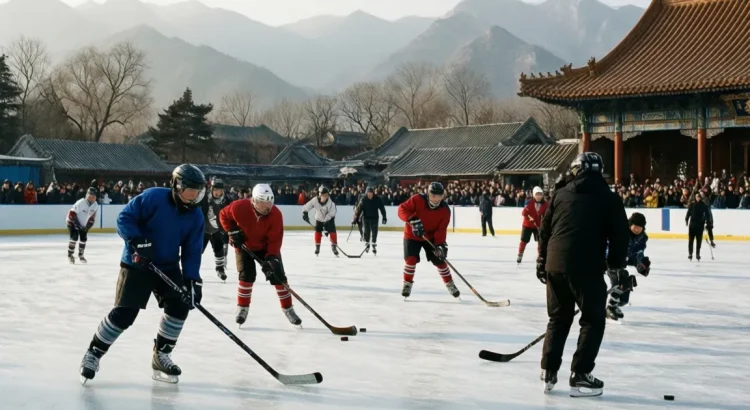
In Harbin and Shenyang, public rinks open early each December. Neighbors meet there after work for an hour of skating rather than coffee. Kids practice on the same ice their parents used twenty years earlier.

These places keep small daily rituals alive. A quick lap becomes the way adults catch up without formal plans.

Links to New Year gatherings

Families often plan short ski trips during the Spring Festival break. In Jilin province, groups book simple slopes for one afternoon between big meals.

  • Parents teach children basic turns on gentle runs
  • Relatives share thermos tea on the sidelines
  • Photos from these outings go into family albums alongside dinner shots

The activity fits the holiday pattern of movement followed by rest.

Schools and neighborhood teams

Many middle schools in the northeast run weekly winter sports clubs. Students choose from skating, curling, or short-track practice after classes.

City Common school activity Typical group size
Changchun Cross-country skiing on campus trails 12-15 students
Beijing Indoor curling intro sessions 8-10 students

These sessions build habits that carry into adult life. Former club members often join company teams later.

Workplace and friend group events

Offices in the north sometimes organize one-day ski outings in January. The focus stays on shared transport and simple lunches rather than advanced technique.

Small friend circles also meet at indoor facilities for evening hockey pick-up games. The same group returns week after week because the schedule stays consistent.