Bandy in Asia: Countries Building Momentum

Bandy in Asia: Countries Building Momentum

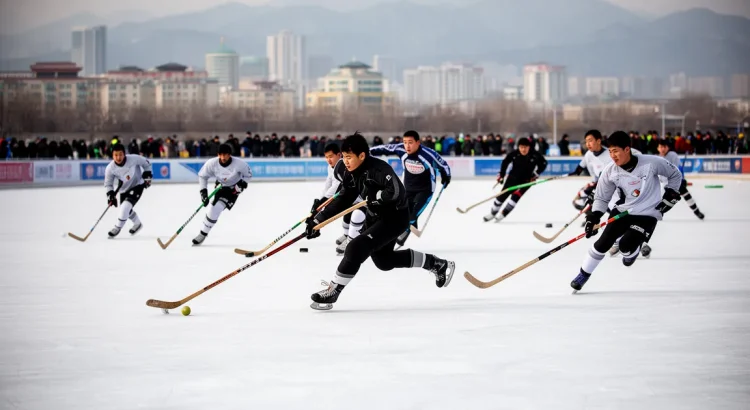
You can already find real bandy clubs and national teams across several Asian countries. The sport moves fast on big ice with a ball instead of a puck. Here is where the momentum sits right now and what you can do about it.

Where the Ice Exists Today

Kazakhstan runs the strongest program. China added indoor rinks and youth teams in the last five years. Japan plays regular club matches in Hokkaido. South Korea and Mongolia field national sides at the Bandy World Championship B-group level.

These places use existing speed-skating ovals or build smaller dedicated rinks. Winters stay cold enough in the north, so outdoor play remains practical.

Kazakhstan Sets the Standard

The national team reached the top division at the world championships multiple times. Clubs in Almaty and Karaganda run full leagues with 11-a-side matches. Local players often train on 100 by 60 meter surfaces that match international specs.

  • Watch their matches on the Federation of International Bandy stream when the schedule lines up.
  • Youth academies accept players as young as eight and supply skates and sticks.
  • Visiting teams from Russia and Sweden stop in Almaty for friendlies each season.

China Adds Indoor Options

Harbin and Beijing now host bandy sections inside multi-sport arenas. The Chinese Ice Hockey Association runs a small national league with four teams. They focus on under-17 tournaments to build numbers before pushing senior sides.

One practical route is the annual China Bandy Cup held in January. It draws university squads from nearby provinces and gives new players a first taste of 60-minute games.

Japan and South Korea Start Grassroots

In Japan, the Hokkaido Bandy Association holds weekend pickup games on public rinks in Sapporo. Equipment arrives through second-hand imports from Sweden. South Korea runs a single club in Seoul that practices twice a week and travels to Kazakhstan for matches.

Both countries list their schedules on simple Facebook groups. You message the page admin and they add you to the next session.

Quick Comparison of Current Programs

Country Active Clubs National Team Level Best Entry Point
Kazakhstan 12+ A or B division Local club trials in Almaty
China 4-6 B division University teams or Harbin winter camps
Japan 3 B division Hokkaido weekend skates
South Korea 1 B division Seoul club contact via social media

First Steps If You Want to Play

  1. Find a nearby speed-skating rink that allows ball sports in winter.
  2. Contact the national bandy federation through their listed email or messenger.
  3. Start with basic gear: helmet, skates, and a stick under 1.4 meters.
  4. Join an existing session before trying to form a new group.

That route worked for the first players who showed up in both Harbin and Sapporo last season.
Future of Winter Sports in China: Opportunities for Bandy

Future of Winter Sports in China: Opportunities for Bandy

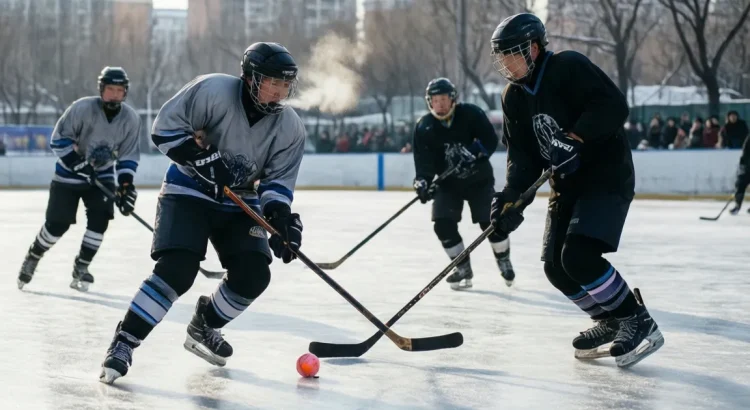
Bandy gives China a team sport that fits existing ice rinks and works well in cold northern provinces. You can start small with existing facilities instead of waiting for new builds.

Where the Openings Sit Right Now

Harbin and Jilin already run public rinks through winter. Bandy needs less specialized gear than hockey and draws mixed groups because rules stay simple.

  • School programs in Changchun tested bandy last season with 40 kids per session on standard 60 by 30 meter ice.
  • Beijing suburbs added short bandy sessions after the Olympics to keep rinks busy past peak ski months.
  • Company leagues in Shenyang use lunch-hour games on shared ice to build staff teams without extra travel.

Steps to Start a Local Program

  1. Check your nearest public rink schedule and book 60-minute slots on weekday afternoons when rates drop.
  2. Order basic sticks and balls from suppliers already shipping to Russia or Sweden. One set of 12 covers a full game.
  3. Run two demo sessions with friends or colleagues. Keep rules to six players per side and no body checking at first.
  4. Track attendance for four weeks. Groups that hit 20 regular players can ask the rink for a recurring block.

Setup Details That Matter

Item Typical Cost (RMB) Notes
Starter stick set (12) 1800 Plastic blades hold up on public ice
One season rink time 2400 Two hours weekly for 12 weeks
Basic rules sheet Free Print the international version and shorten it

Start with these numbers and adjust after the first month based on who shows up.

Asian Winter Sports Federations: Collaboration and Growth

Asian Winter Sports Federations: Collaboration and Growth

If you handle winter sports programs in Asia, you already know federations swap coaches, share ice time, and co-host camps. The practical side comes down to clear agreements and joint calendars rather than big declarations.

Setting Up Joint Training Camps

Start with one shared need, such as finding enough qualified judges for freestyle events. Federations in Japan, South Korea, and China run a rotating camp each November. Coaches from each country take turns leading sessions, which cuts travel costs for athletes.

  1. List the exact skills your athletes lack right now.
  2. Contact two other federations with the same gap and propose dates that fit school breaks.
  3. Agree on one venue and split venue fees based on athlete numbers.
  4. Assign one federation to handle judging certification for the group.

This pattern worked for the 2023 short-track camp in Harbin, where 48 skaters trained together and later competed at the Asian Winter Games trials.

Tracking Shared Event Results

Growth shows up in participation numbers and new member clubs, not slogans. Keep a simple shared spreadsheet that each federation updates after every regional meet.

Federation 2022 Events Co-hosted New Clubs Added
Japan Ski Federation 4 11
Korea Ski Association 3 8
Chinese Winter Sports Association 5 19

Review the sheet every quarter. Drop any event that draws fewer than 30 athletes from at least two countries. Keep the ones that pull in new clubs, like the cross-border junior snowboard series that started in 2021 and now runs in three cities.

Bandy Basics: A Beginner’s Guide to the Sport on Ice

Bandy Basics: A Beginner’s Guide to the Sport on Ice

Bandy is ice hockey’s larger cousin. Eleven players per side chase a small ball across a soccer-sized rink. You can start playing in a few sessions if you know what to bring and what to expect on the ice.

Get the Gear You Actually Need

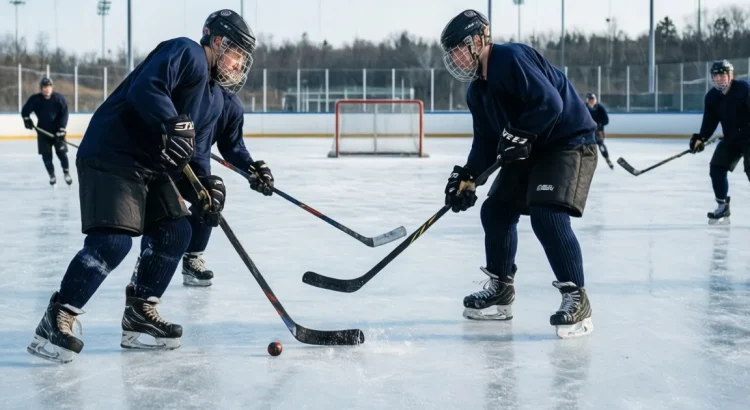
Skates matter most. Pick a pair of bandy skates with a short blade and good ankle support. They differ from hockey skates because the ice here is often softer and the turns are wider.

  • Stick: 1.2 to 1.4 meters long with a curved blade on the left side only. Try a medium flex first.
  • Ball: Hard orange plastic, 6 cm across. Keep two in your bag because they disappear fast.
  • Helmet with face cage, mouth guard, and gloves that let you grip the stick tightly.
  • Shin guards and elbow pads borrowed from ice hockey work fine for the first month.

Clothing stays simple. Wear breathable layers under a light tracksuit. You warm up quickly once the game starts.

Run Through Your First Session

Arrive early and walk the rink edge to feel the ice under your blades. Most clubs let beginners join the warm-up line.

  1. Skate two easy laps focusing on long strides, not quick cuts.
  2. Pass the ball against the boards with a partner for ten minutes. Keep the ball on the ice; lifting it is a foul.
  3. Learn the three main calls: “stick!” when an opponent lifts theirs too high, “offside” at the blue line, and “out” when the ball leaves the rink.
  4. Play short shifts of three minutes. Bandy ice is big so you tire faster than you expect.
Position What it looks like in practice
Defender Stay between the ball and your goalie, clear the ball wide rather than up the middle.
Midfielder Link defense and attack, win most 50-50 balls along the boards.
Forward Stay high, look for quick one-touch passes into the corners.

After the session, check your blades for nicks. A quick file keeps you from catching edges the next time out.