The Cultural Significance of Winter Sports in Chinese Society
Winter sports sit at the center of many northern routines. You see this most clearly when temperatures drop and people head outside instead of staying in.
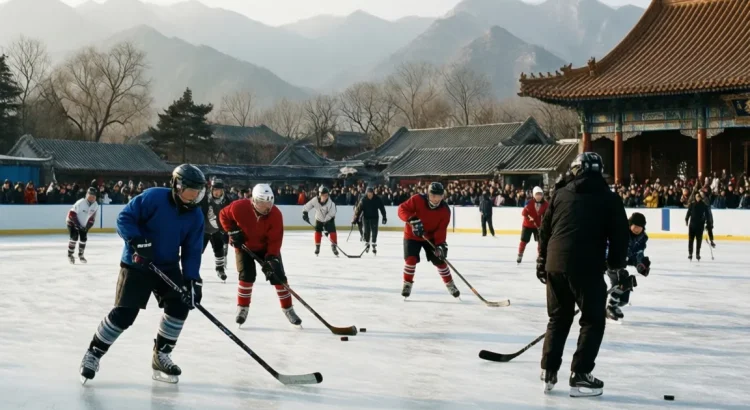
Local ice rinks as meeting spots
In Harbin and Shenyang, public rinks open early each December. Neighbors meet there after work for an hour of skating rather than coffee. Kids practice on the same ice their parents used twenty years earlier.
These places keep small daily rituals alive. A quick lap becomes the way adults catch up without formal plans.
Links to New Year gatherings
Families often plan short ski trips during the Spring Festival break. In Jilin province, groups book simple slopes for one afternoon between big meals.
- Parents teach children basic turns on gentle runs
- Relatives share thermos tea on the sidelines
- Photos from these outings go into family albums alongside dinner shots
The activity fits the holiday pattern of movement followed by rest.
Schools and neighborhood teams
Many middle schools in the northeast run weekly winter sports clubs. Students choose from skating, curling, or short-track practice after classes.
| City | Common school activity | Typical group size |
|---|---|---|
| Changchun | Cross-country skiing on campus trails | 12-15 students |
| Beijing | Indoor curling intro sessions | 8-10 students |
These sessions build habits that carry into adult life. Former club members often join company teams later.
Workplace and friend group events
Offices in the north sometimes organize one-day ski outings in January. The focus stays on shared transport and simple lunches rather than advanced technique.
Small friend circles also meet at indoor facilities for evening hockey pick-up games. The same group returns week after week because the schedule stays consistent.