Bandy Basics: A Beginner’s Guide to the Sport on Ice

Bandy Basics: A Beginner’s Guide to the Sport on Ice

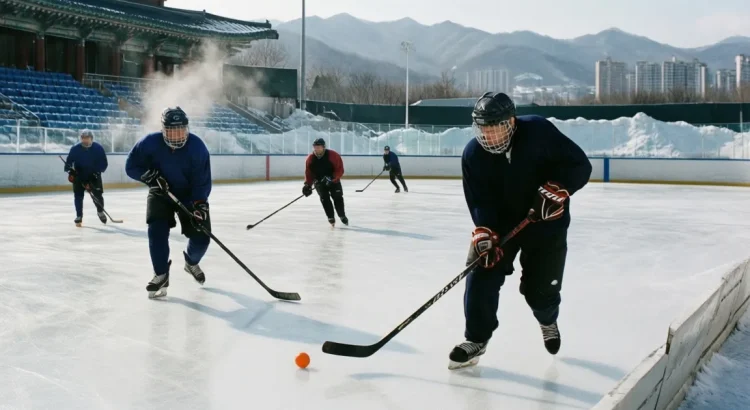
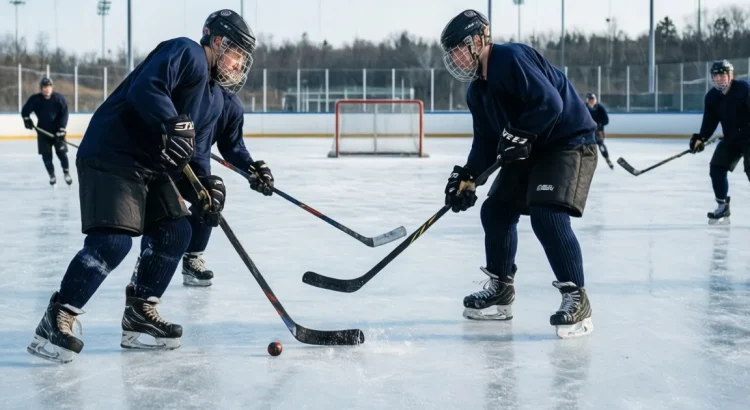
Bandy is ice hockey’s larger cousin. Eleven players per side chase a small ball across a soccer-sized rink. You can start playing in a few sessions if you know what to bring and what to expect on the ice.

Get the Gear You Actually Need

Skates matter most. Pick a pair of bandy skates with a short blade and good ankle support. They differ from hockey skates because the ice here is often softer and the turns are wider.

  • Stick: 1.2 to 1.4 meters long with a curved blade on the left side only. Try a medium flex first.
  • Ball: Hard orange plastic, 6 cm across. Keep two in your bag because they disappear fast.
  • Helmet with face cage, mouth guard, and gloves that let you grip the stick tightly.
  • Shin guards and elbow pads borrowed from ice hockey work fine for the first month.

Clothing stays simple. Wear breathable layers under a light tracksuit. You warm up quickly once the game starts.

Run Through Your First Session

Arrive early and walk the rink edge to feel the ice under your blades. Most clubs let beginners join the warm-up line.

  1. Skate two easy laps focusing on long strides, not quick cuts.
  2. Pass the ball against the boards with a partner for ten minutes. Keep the ball on the ice; lifting it is a foul.
  3. Learn the three main calls: “stick!” when an opponent lifts theirs too high, “offside” at the blue line, and “out” when the ball leaves the rink.
  4. Play short shifts of three minutes. Bandy ice is big so you tire faster than you expect.
Position What it looks like in practice
Defender Stay between the ball and your goalie, clear the ball wide rather than up the middle.
Midfielder Link defense and attack, win most 50-50 balls along the boards.
Forward Stay high, look for quick one-touch passes into the corners.

After the session, check your blades for nicks. A quick file keeps you from catching edges the next time out.
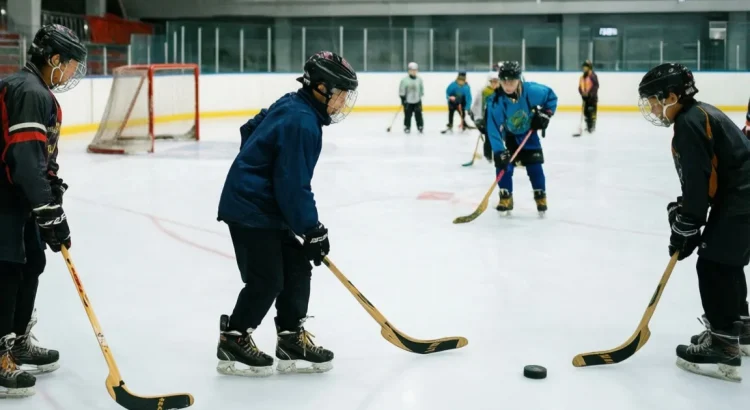
Chinese Athletes Making Waves in Winter Sports

Chinese Athletes Making Waves in Winter Sports

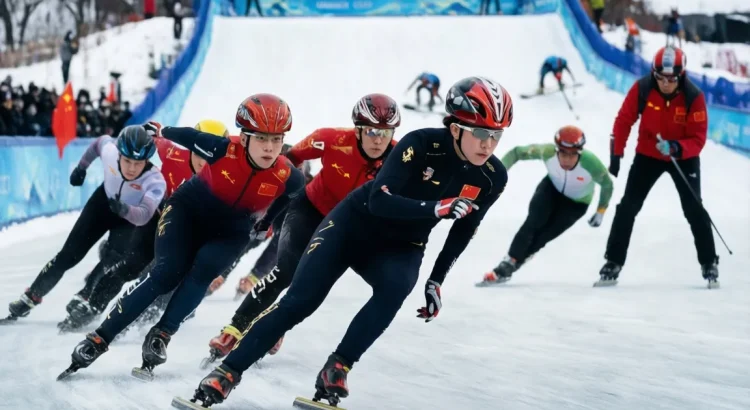
If you follow winter sports, Chinese athletes have become regular names on podiums in the last few years. You can track their progress through short track, freestyle skiing, and snowboarding events without needing special access.

Names worth watching this season

Start with these athletes if you want concrete results instead of hype.

  • Ren Ziwei keeps winning short track 500m races. He took gold at the 2022 Games and has added multiple World Cup medals since.
  • Eileen Gu competes in halfpipe, slopestyle, and big air. She won two golds and a silver in Beijing and continues on the World Cup circuit.
  • Wu Dajing holds the 500m short track world record and still posts top times in international meets.
  • Xu Mengtao focuses on aerials and has collected multiple World Cup wins after her Olympic gold.

Sports where results show up fastest

China has poured resources into a handful of disciplines. Here is where the medal count and rankings have moved most clearly.

Sport Recent result example Where to check
Short track speed skating Multiple golds at 2022 Olympics plus ongoing World Cup podiums ISU World Cup streams
Freestyle skiing aerials Xu Mengtao Olympic gold and season wins FIS World Cup calendar
Snowboarding halfpipe Eileen Gu Olympic medals and X Games appearances World Snowboard Tour events

Training patterns you can copy

These athletes train year round on snow and in dry-land facilities. You can borrow pieces of their schedule if you compete or coach.

  1. Block three strength sessions per week that target legs and core, not just endurance work.
  2. Schedule two on-snow or on-ramp days focused only on one skill, such as start timing or grab consistency.
  3. Review video the same day of training. Keep notes on three specific fixes instead of general impressions.
  4. Rest one full day after every five training days. The top Chinese programs enforce this to reduce injury.

Simple way to follow their results

Use this weekly checklist so you stay current without scrolling endlessly.

  • Monday: Check FIS or ISU results pages for the past weekend.
  • Wednesday: Follow the athletes official accounts for training clips.
  • Friday: Look at the upcoming event start lists on the governing body site.
  • Sunday: Watch the live feed if a final falls on your time zone.

How to Get Started Playing Bandy in Asia

How to Get Started Playing Bandy in Asia

Pick up a pair of skates and a bandy stick, then find ice time. The sport exists in pockets across Kazakhstan, parts of Russia, and a few spots in China and Japan, so start with whatever rink or club is nearest you.

Practical first steps

Most new players in Asia join an existing group rather than starting from scratch. In Almaty you can show up for weekend sessions at Medeu rink. In Khabarovsk, Russia, local clubs run open skates on weekday evenings. Contact them through simple messaging apps; they usually reply within a day or two.

  1. Get basic kit: bandy skates (different from hockey ones), a wooden or composite stick, shin guards, and a helmet. A full set runs 150 to 300 USD at most Asian sports shops or second-hand groups.
  2. Learn the surface. Bandy rinks are larger than hockey rinks, so practice long passes and skating endurance on any 100 by 60 meter sheet you can access.
  3. Join one session. Watch how the team warms up, then jump into the second half. Rules are explained on the fly.
  4. Track local schedules on Telegram channels or WeChat groups run by players in your city. Newcomers get added quickly once they show up once.
Item Where to get it in Asia Typical cost
Skates Almaty markets or online from Moscow 80-120 USD
Stick Sports stores in Astana or Harbin 40-70 USD
Helmet + guards Used gear chats 30-50 USD

After three or four sessions you will know if the local group practices enough for you or if you need to travel to the next city for better ice.

Exploring Winter Sports Infrastructure in Northern China

Exploring Winter Sports Infrastructure in Northern China

Northern China has solid rail links and purpose-built venues that make winter sports trips straightforward. Start in Harbin or Zhangjiakou if you want quick access to ice rinks and groomed slopes without long transfers.

Reaching the main hubs

High-speed trains run daily from Beijing to both cities. Book the G or D series for the shortest ride.

  1. Beijing to Harbin: 7 to 8 hours on the G trains, arrives at Harbin West station, then metro line 1 to the ice district.
  2. Beijing to Zhangjiakou: 50 minutes on the G trains to Chongli South, then a 20-minute shuttle to the ski bases.

Local buses and taxis fill the gaps at each station. Carry a transport card for the metro legs.

Key facilities and what they offer

Harbin Ice and Snow World opens each December with carved ice structures and public skating loops. Yabuli Resort nearby keeps 20 km of trails groomed and runs night skiing until 9 pm on the main run.

Location Focus Daily hours
Harbin Ice World Ice sculptures and skating 4 pm to 10 pm
Yabuli Main Slope Alpine skiing and lessons 8 am to 9 pm
Chongli Wanlong Freestyle park and gondola access 8:30 am to 4:30 pm

Bring your own helmet if you ski; rentals at the bases cost about 50 RMB per day and run out on weekends. Lessons at Wanlong start at 9 am sharp and last two hours.

The Role of Bandy in Asian Winter Games History

The Role of Bandy in Asian Winter Games History

Bandy entered the Asian Winter Games as a team sport that uses a ball and sticks on large ice surfaces. It gives countries with strong hockey traditions another way to compete. You see it most often when the host nation already has rinks and clubs in place.

When Bandy First Appeared

The sport joined the program in 2011 at the Astana-Almaty Games in Kazakhstan. Organizers added it to fill out the schedule with an outdoor team event that fits cold climates. Since then it has returned only when the host can supply proper bandy fields.

Earlier editions focused on skiing and skating. Adding bandy shifted the mix toward games that need bigger team rosters and longer matches.

Countries That Have Taken Part

Kazakhstan fields the strongest side most years because many players come from established clubs in Almaty and Astana. Mongolia and Kyrgyzstan send smaller squads that rely on speed and quick passes rather than set plays.

  • 2011: Kazakhstan won gold after beating Mongolia in the final.
  • 2017: Kazakhstan defended the title on home ice again.
  • Other nations such as China and Japan have sent observers but have not yet entered full teams.

How Matches Are Run

Games last two 45-minute halves on a field close to soccer size. Eleven players per side move a small ball with curved sticks. Referees stop play only for fouls or when the ball leaves the ice.

Teams warm up on the same surface they use for the match, so conditions stay consistent. You notice fewer substitutions than in ice hockey because the larger rink lets players spread out and recover while still moving.

Year Gold Silver
2011 Kazakhstan Mongolia
2017 Kazakhstan Kyrgyzstan

Keeping Track of Future Events

Check the official Asian Winter Games site two months before opening ceremonies for the exact bandy schedule. Local federations in Kazakhstan often post live streams on their own channels.

  1. Look for the bandy section under team sports.
  2. Note which days include the group stage and knockout rounds.
  3. Follow the national bandy federation accounts for score updates during matches.